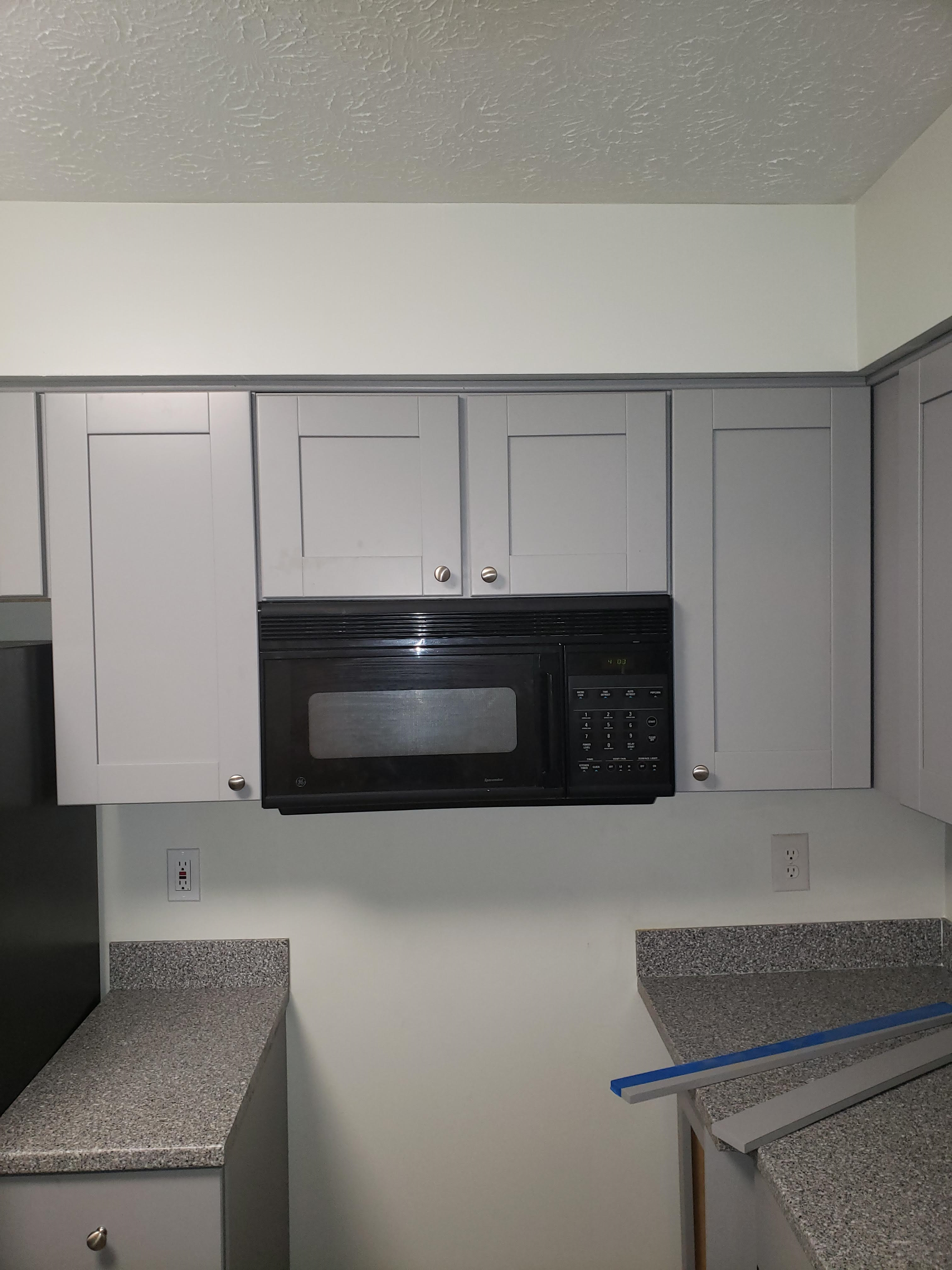
Kitchen Remodeling Annapolis, MD
Kitchen remodels are one of the highest-impact upgrades you can make—when the work is planned, permitted, and executed with full trade coordination. R.J. Sullivan, LLC delivers professional oversight from demolition through final punch.
Scope & Structural Considerations
Kitchen remodeling improves layout efficiency, storage capacity, lighting quality, and resale value. Homeowners typically need upgrades when cabinetry deteriorates, workflow becomes inefficient, or modern appliances require updated electrical and plumbing support. A professionally managed remodel maintains structural integrity, code compliance, moisture control, and long-term durability.
This service includes material sourcing, licensed trade coordination, scheduling control, inspection management, and warranty-backed workmanship.
Why Professional Oversight Matters
Improper planning can result in inspection failures, moisture intrusion, electrical hazards, or structural imbalance. A qualified home improvement contractor coordinates subcontractors, ensures inspection approvals, and maintains cost transparency throughout the build process.
Industry Competitiveness (Economic Census)
Construction and remodeling markets in the U.S. are largely local-trust businesses. The latest U.S. Economic Census concentration statistics show that many residential and specialty trade categories have low CR4 (the share held by the largest four firms), meaning there is no single national company controlling the market. In practice, homeowners win by selecting a contractor with proven coordination, code compliance, and warranty-backed execution—exactly how R.J. Sullivan, LLC runs projects from scope to final inspection.
Industry Competitiveness
RJ Sullivan, LLC tracks national industry concentration signals (CR4 and HHI) to help clients understand why remodeling outcomes depend on local execution quality, licensed trades, and project oversight—not national brand dominance.1
National Concentration Snapshot (NAICS)
“CR4” is the approximate share held by the four largest firms nationally in a NAICS category. Lower values generally indicate more fragmentation and more local competition.1
| NAICS | Industry | CR4 | Client Implication |
|---|---|---|---|
| 236118 | Residential Remodelers | Low | No national dominance; trust, planning, and craftsmanship drive outcomes. |
| 238210 | Electrical Contractors | Low | Regionalized market; permits and inspections matter. |
| 238220 | Plumbing & HVAC | Low | Competitive but scalable; design, sizing, and code compliance reduce risk. |
| 238990 | Specialty Trade Contractors | Very low | Micro-operator heavy; coordination and oversight protect schedules. |
| 236220 | Commercial Building Construction | Moderate | Larger regional firms; contract clarity and scope control are critical. |
| 236115 | Single-Family Home Builders | Moderate | Some regional consolidation; customization and change orders need discipline. |
Data Methodology (What CR4 & HHI mean)
This references U.S. Economic Census concentration statistics for NAICS industries and standard labor/cost signals used in construction planning. CR4 describes concentration among the four largest firms (lower = more fragmented), while HHI is a broader concentration index used by regulators. National concentration metrics do not replace local due diligence, permitting requirements, or licensed trade validation.1
Maryland Supplemental Context
In Maryland, labor availability and wage conditions can influence scheduling and pricing, especially for skilled trades. We also cross-reference state procurement/contract references to track public-market cost signals where relevant.23
References
- U.S. Census Bureau — Economic Census (Concentration of Largest Firms / NAICS size statistics). External Source ↩
- Maryland Department of Labor — Wage & employment resources (construction occupations). External Source ↩
- Maryland Department of Budget and Management — Contract library / statewide contracts. External Source ↩
External Sources & Maryland Verification
For transparency, we reference public datasets and consumer resources when advising on costs, timelines, and trade coordination:
- U.S. Census Bureau Economic Census (industry concentration): Economic Census Overview
- U.S. Census Bureau dataset directory (multi-sector tables): 2019 Data Directory
- U.S. Bureau of Labor Statistics (construction industry overview): BLS Construction Industry
- Maryland Department of Labor (wages & workforce context): MD Labor
- Maryland Department of Budget & Management (public contracting context): MD DBM
- Maryland Home Improvement Commission license verification: MHIC License Search
Industry Standards & Consumer Resources
For additional consumer guidance, review the standards provided by this trusted industry resource.
Verify contractor licensing and status through Maryland’s Home Improvement Commission public query: MHIC License Search.